
Process Design for Deliberative Dialogue

Process Design: Pathways Towards Deliberative Dialogue to Transform Conflict
This paper offers a framework of principles and practices to create deliberative dialogue and collaborative decision-making processes in polarized and conflict-affected contexts. It argues that addressing such challenges involves not only technical issues but also addressing the relational, cultural, political and structural dynamics that sustain conflict. It outlines the ‘upstream’ phases in convening a legitimate and inclusive basis for a process based on consultative assessment. It then provides as developmental arc of process methods to enable the distinctive functions of dialogue, deliberation, and collaborative decision-making through consensus building. When grounded in co-creation and attention to power, such processes can shift entrenched patterns and support more sustainable and legitimate change. The paper outlines key principles for designing inclusive and adaptive processes that foster trust, mutual understanding, and shared ownership.
Published by Toda Peace Institute, Report No311, August 11, 2026 - This work was supported by a grant from the Ford Foundation.

Framing Questions for Dialogue and Deliberation
This paper explores the critical role of framing in the design of dialogue and deliberative processes addressing complex, contentious and polarized issues. Drawing on theory and practitioner experience, the paper outlines methods for designing guiding questions that support the distinct phases of dialogue, deliberation, and collaborative decision-making. It offers principles for practitioners seeking to design questions that transform adversarial discourse into constructive engagement and enable communities to move from conflict toward cooperative governance.
Published by Toda Peace Institute, Report No312, August 11, 2026 - This work was supported by a grant from the Ford Foundation.
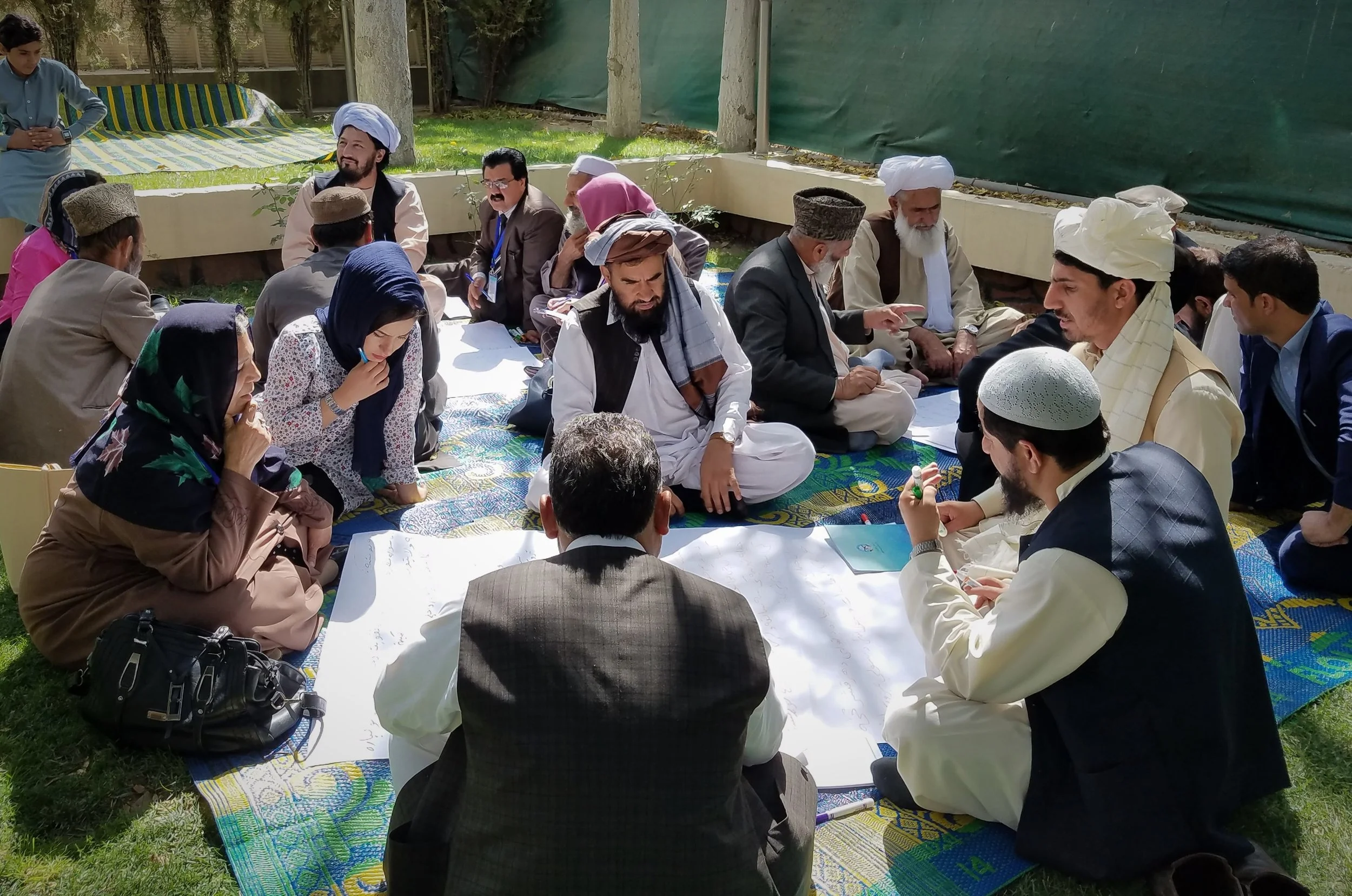
Empowering the Polity: Governance, Conflict and Deliberative Dialogue
This paper examines the relationship between conflict, governance, and deliberative dialogue, arguing that dialogical processes are central to societies’ ability to manage difference through political rather than coercive means. Conflict is an intrinsic feature of social life, and governance systems ideally provide institutional mechanisms to mediate competing interests, identities, and values. When governance becomes unresponsive, polarized, or coercive, these mechanisms break down, increasing the risk of destructive conflict. The paper develops a framework for understanding how deliberative dialogue can strengthen governance across three contexts: stable democracies seeking more inclusive policymaking, polarized societies requiring renewed social cohesion, and conflict-affected systems renegotiating their political settlements. It also highlights the risks of poorly designed processes and emphasizes the need for conflict-sensitive, trauma-informed approaches that address power asymmetries.
Published by Toda Peace Institute, Report No297, April 27, 2026 - This work was supported by a grant from the Ford Foundation.